Pros and Cons of Solar Energy You Need to Know in 2026

Table of Contents
1. Pros of Solar Energy
There’s no doubt that solar energy has a number of benefits, especially as technology advances. Here are some of the key advantages to consider:- Reduced Energy Bills: Solar energy allows you to generate your own electricity, reducing your reliance on the grid and lowering your energy bills. Savings depend on your usage, system size and tariff.
- Environmentally Friendly: Solar power is a clean, renewable energy source that doesn’t produce harmful greenhouse gases, helping to reduce your carbon footprint.
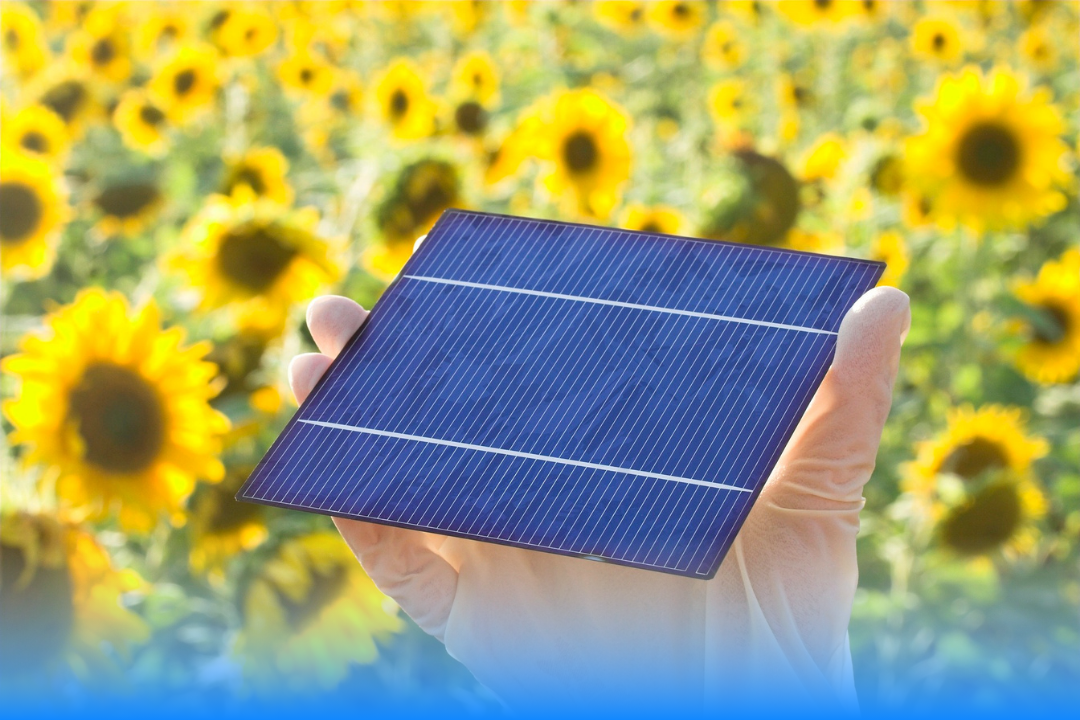
- Low Maintenance Costs: Once installed, solar panels require very little maintenance, and panel warranties of 25 years or more are common. Some panels, such as the Eurener panels we install, come with warranties lasting as long as 30 years.
- Increased Property Value: Solar panels can make a home more appealing to buyers, as they may lead to lower energy bills and a better EPC rating, although the effect on value varies.
- Energy Independence: By generating your own electricity, you can become less dependent on traditional energy suppliers, which is especially useful during times of high energy prices.
- No VAT on Qualifying Installations: Qualifying home solar and battery installations are currently zero-rated for VAT, scheduled to move to the reduced 5% rate on 1 April 2027.
Ready to Go Solar?
Get a free, no-obligation quote from LODEAL by REST UK
- ✅ MCS-certified installer
- ✅ 10,000+ installations
- ✅ Covering England and Wales
Or call 03305 202053
2. Cons of Solar Energy
While solar energy has many advantages, it’s not without its drawbacks. Here are some of the cons to consider:- High Initial Costs: The upfront cost of solar panels can be significant. As an indicative guide, a typical home system may cost around £5,000 to £10,000, depending on system size and your roof. Your final cost depends on a survey.
- Weather Dependency: Solar panels are less effective during cloudy days or in regions with lower sunlight levels, meaning they may not generate as much energy in the UK as they would in sunnier climates.
- Energy Storage Costs: Without a solar battery, you can’t store excess energy for later use, and batteries can be expensive to install.
- Space Requirements: Installing solar panels requires sufficient roof space, and not all homes are suitable for optimal solar generation.
- Efficiency Drop Over Time: Solar panels slowly lose output over time. Manufacturers’ performance warranties set out how much output the panels should keep over the warranty period.
3. Solar Energy Savings and Costs
The cost of solar panels has fallen considerably over the past decade, making them more affordable for homeowners. However, the overall cost still depends on several factors such as the size of the system, your roof, access and whether or not you add a solar battery. Here’s an indicative guide for 2026. These are typical ranges only, and your final price depends on a survey:| System Size | Cost Range | Typically Suits |
|---|---|---|
| 3 kW | £5,000 – £6,000 | Smaller homes or lower electricity use |
| 4 kW | £6,000 – £8,000 | Many average-sized homes |
| 5 kW | £8,000 – £10,000 | Larger homes or higher electricity use |
4. Environmental Impact
One of the major benefits of solar energy is its positive environmental impact. Solar power is a renewable energy source, meaning it doesn’t deplete natural resources or produce harmful emissions. By switching to solar, you can reduce your carbon footprint and contribute to a more sustainable future.5. Is Solar Worth It in 2026?
The decision to install solar panels ultimately depends on your individual circumstances, but for many UK homeowners, it’s becoming increasingly attractive. The rising cost of electricity, coupled with improvements in solar technology and the availability of financing options, means solar energy is more accessible than ever before. While the upfront costs may seem daunting, the long-term benefits, including lower energy bills and reduced environmental impact, can make solar a worthwhile investment for many households looking to lower their carbon footprint and energy costs.WHAT IS YOUR AVERAGE MONTHLY ELECTRICITY BILL?
Weighing up solar for your home? LODEAL by REST UK is an MCS-certified installer with more than 10,000 installations across England and Wales. Get a free, no-obligation quote or call 03305 202053.
FAQs
As an indicative guide, installation costs often range from around £4,000 to £12,000, depending on system size, your roof and whether you add a battery. Your final cost depends on a survey.
Factors include system size, panel and inverter choice, roof type and condition, access and scaffolding, and whether you add battery storage.
For many homes, yes. Solar panels can reduce your electricity bills over their lifetime and earn export income through the Smart Export Guarantee. How much you save depends on your usage, roof and tariff.
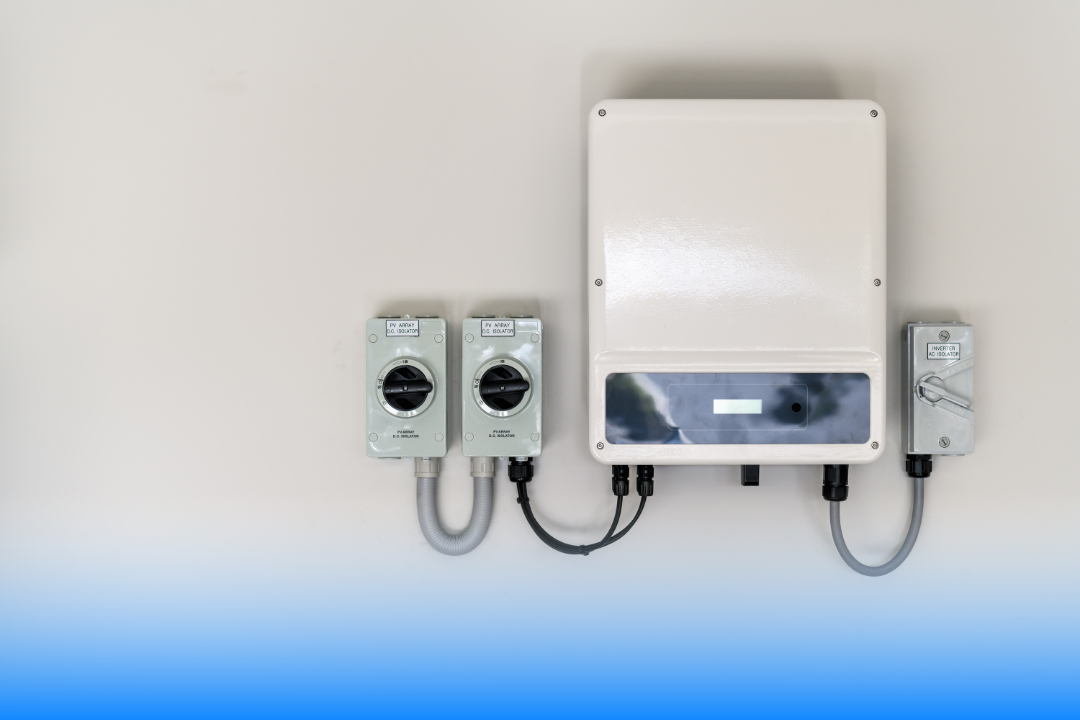
Most solar panels have a lifespan of 25 to 30 years or more. Inverters usually need replacing sooner, often after 10 to 15 years.
Check the system size and equipment, the estimated generation, the total price including VAT, warranties, and whether the installer is MCS certified and a member of a consumer protection scheme such as HIES. LODEAL by REST UK provides clear, itemised quotes after a free survey. Get a free quote.