How Agrivoltaics Could Change Farming in the UK: Solar-Powered Agriculture Explained
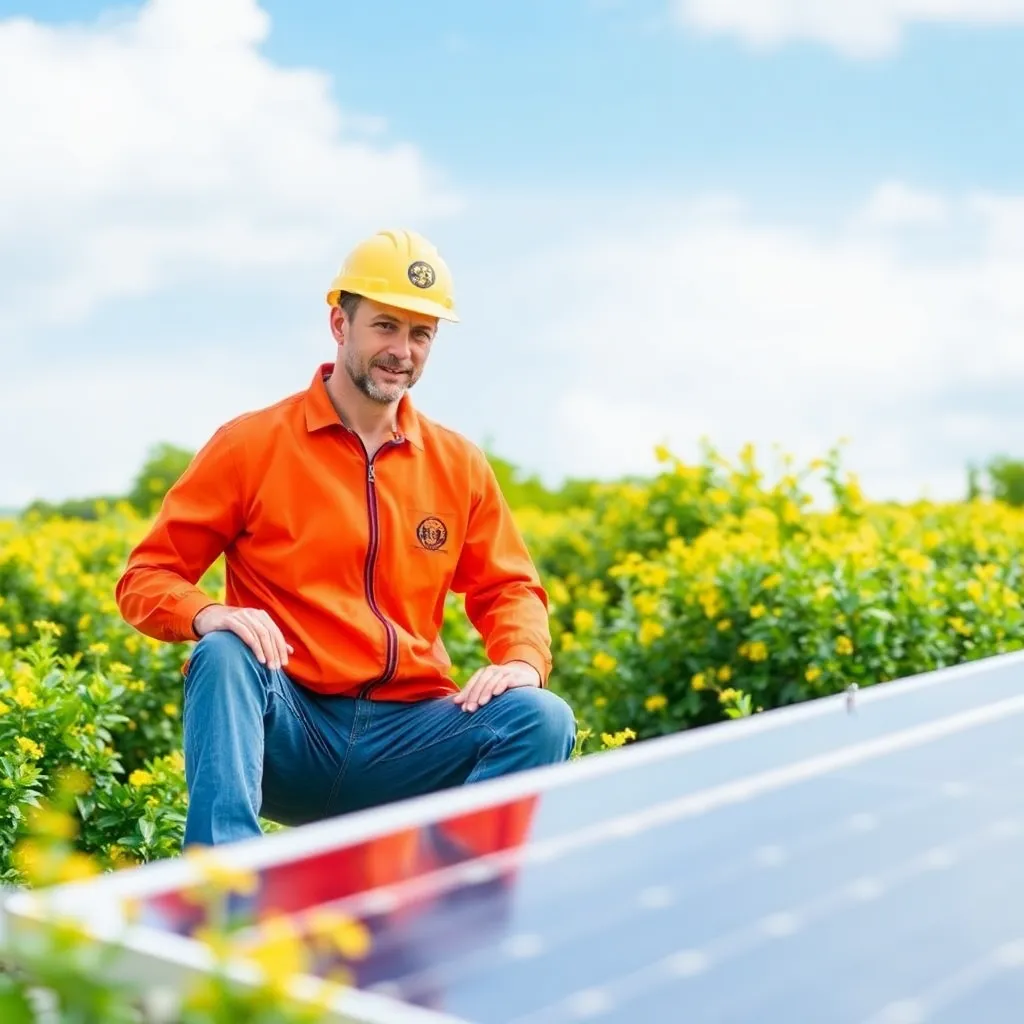
Table of Contents
- What is Agrivoltaics?
- Benefits of Agrivoltaics for UK Farmers
- The Technology Behind Agrivoltaics
- Challenges of Implementing Agrivoltaics
- Government Support and Financial Incentives
- The Future of Agrivoltaics in the UK
- Conclusion
- Frequently Asked Questions
What is Agrivoltaics?
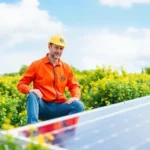
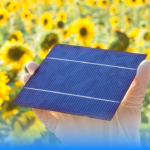
Agrivoltaics refers to the practice of integrating solar panels into agricultural landscapes, allowing for simultaneous farming and energy production. This method aims to make more efficient use of land by allowing crops to grow, or livestock such as sheep to graze, beneath or between solar installations. The panels can also provide shade and reduce water evaporation. This dual land-use model is particularly beneficial in regions where land is scarce or expensive, such as the UK. Agrivoltaics not only allows for renewable energy generation but also supports sustainable farming practices, making it a promising option for addressing both energy and food security challenges.Benefits of Agrivoltaics for UK Farmers
Implementing agrivoltaics can bring a multitude of benefits to UK farmers:1. Increased Land Productivity
By combining solar energy production with agriculture, farmers can maximise the output of their land. This system enables them to grow crops or graze livestock while generating electricity from the same piece of land, although crop yields under panels can be lower than in open fields depending on the crop and design.2. Reduced Energy Costs
Farmers often face high energy costs, especially for irrigation and machinery. Agrivoltaics can help lower these expenses by providing a renewable energy source directly on-site, allowing farmers to use solar power to run their operations.3. Climate Resilience
Agrivoltaics can enhance climate resilience by providing shade to crops, reducing heat stress during hot months, and minimising water loss through evaporation. In some conditions this can lead to healthier crops, although the UK’s cooler climate means the benefit of shade is generally smaller than in hotter countries.4. Additional Revenue Streams
Farmers can benefit financially from agrivoltaics through energy sales. Exported electricity can be sold, for example through a Smart Export Guarantee tariff or a power purchase agreement, creating an additional income stream that helps offset installation costs.5. Enhanced Biodiversity
The combination of solar panels and agricultural practices can create habitats that support biodiversity. Pollinators, for example, may thrive in areas where crops are grown beneath solar arrays, contributing to a healthier ecosystem.Table: Benefits of Agrivoltaics
| Benefit | Description |
|---|---|
| Increased Land Productivity | Maximises output by allowing simultaneous energy and food production. |
| Reduced Energy Costs | Provides a renewable energy source, lowering operational costs. |
| Climate Resilience | Shades crops, reducing heat stress and water evaporation. |
| Additional Revenue Streams | Allows farmers to sell excess energy back to the grid. |
| Enhanced Biodiversity | Supports diverse ecosystems and pollinator health. |
The Technology Behind Agrivoltaics
The successful implementation of agrivoltaics relies on advanced technology that optimises the use of solar energy and supports agricultural practices:1. Solar Panel Types
Different types of solar panels are used in agrivoltaics, including:- Fixed Tilt Panels: These panels are set at a specific angle and do not move. They are cost-effective and easy to install.
- Tracking Systems: These panels adjust their angle to follow the sun, maximising energy capture. While more expensive and with more moving parts, they can increase energy production.
- Bifacial Panels: These panels can capture sunlight from both sides, which can increase output, particularly when mounted vertically or high above the ground.
2. Design Considerations
Successful agrivoltaic systems require careful design to balance the needs of crops and solar panels. Key considerations include:- Height and Spacing: Solar panels should be elevated and spaced appropriately to allow sufficient sunlight for crops while still capturing solar energy.
- Orientation: The orientation of the panels should maximise sunlight exposure while minimising shading on crops.
- Soil Management: Ensuring healthy soil conditions is critical for crop success beneath solar installations.
Challenges of Implementing Agrivoltaics
While agrivoltaics presents numerous benefits, there are challenges to its implementation that must be addressed:1. High Initial Costs
The upfront investment for solar panels and installation can be significant. Long-term savings can be worthwhile, but many farmers may find the initial costs challenging, so careful financial planning is important.2. Planning Permissions and Regulations
In the UK, navigating planning permissions can be complex. Farmers may encounter bureaucratic hurdles that delay or prevent the installation of agrivoltaic systems.3. Land Management Issues
Integrating solar panels with agricultural practices requires careful land management to avoid crop damage and ensure optimal growing conditions. This may require additional training and resources for farmers.4. Technological Limitations
While advancements are being made, some technologies are still developing. The effectiveness of agrivoltaics can vary based on location, climate, and crop type, necessitating ongoing research and adaptation.Table: Challenges of Agrivoltaics
| Challenge | Description |
|---|---|
| High Initial Costs | Significant upfront investment can be a barrier for many farmers. |
| Planning Permissions | Complex regulations can delay implementation. |
| Land Management Issues | Requires careful integration with farming practices. |
| Technological Limitations | Effectiveness may vary based on environmental factors. |
Government Support and Financial Incentives
There is no dedicated UK subsidy for agrivoltaics, but several existing schemes and policies may be relevant. Support changes regularly, so check current eligibility before making plans:1. Financial Grants and Subsidies
Farmers may be eligible for some funding through farming or rural development schemes, depending on what is open at the time. The Renewable Energy Guarantees of Origin (REGO) scheme does not provide grants, but certificates issued for renewable generation can sometimes add value when selling electricity.2. Research and Development Funding
Research bodies and universities in the UK and Europe are studying agrivoltaic designs, crops and grazing systems. This research should help identify which approaches work best in UK conditions.3. Policy Frameworks
The Feed-in Tariff closed to new applicants in 2019, but the Smart Export Guarantee requires larger suppliers to pay for exported electricity, and larger sites may agree power purchase agreements. Farmers can benefit from selling excess energy while reducing their carbon footprint.The Future of Agrivoltaics in the UK
The future of agrivoltaics in the UK looks promising, with ongoing technological advancements and growing interest in making dual use of land. As the UK transitions towards a greener energy future, agrivoltaics could play a useful role alongside rooftop and conventional solar.1. Increased Adoption
As more farmers learn about agrivoltaics, adoption may rise. This will be driven by falling solar panel costs, improved technology, and greater awareness of the financial and environmental advantages.2. Technological Advancements
Continued advancements in solar panel technology, coupled with improvements in farming practices, will enhance the efficiency and feasibility of agrivoltaics in the UK. This innovation will make the technology more accessible and effective for a wider range of crops and environments.3. Environmental Impact
Agrivoltaics can help reduce the carbon footprint of agricultural practices by providing clean energy and reducing the need for fossil fuels. This aligns with the UK’s broader goals of achieving net-zero emissions by 2050.Conclusion
Agrivoltaics is a real opportunity for some UK farmers to make more of their land, reduce energy costs and contribute to a more sustainable future. Challenges remain, including cost, planning and crop suitability, but ongoing innovation is making this dual-use approach more viable. For farmers looking to diversify their income and future-proof their operations, agrivoltaics is an exciting option that deserves serious consideration.Interested in solar for your farmhouse or home? LODEAL by REST UK is an MCS-certified installer with more than 10,000 installations across England and Wales, covering solar panels, battery storage and EV chargers. Get a free, no-obligation quote or call 03305 202053.
WHAT IS YOUR AVERAGE MONTHLY ELECTRICITY BILL? GET A FREE QUOTE
FAQs
Crops that tolerate partial shade, such as some leafy greens and soft fruits, tend to suit agrivoltaics best, and grazing sheep beneath panels is already common in the UK. Farmers should consider their local climate, soil and crop choices, ideally with specialist advice.
Land requirements vary with the type of solar installation and the crops or livestock involved. Because the land stays in agricultural use, many systems can be integrated into existing farmland rather than needing additional land.
There is no dedicated UK subsidy for agrivoltaics. Some farming or rural schemes may help with energy projects depending on what is open at the time, and exported electricity can earn income through the Smart Export Guarantee or a power purchase agreement. Always check current eligibility.
Agrivoltaics can help reduce greenhouse gas emissions by producing renewable electricity on land that is still farmed, and well-managed sites may also support soil health and biodiversity.
It can be, but it depends on the site. The initial investment is significant, so viability depends on energy use on the farm, export income, crop or grazing impact, grid connection costs and planning. A detailed feasibility assessment is essential.