As solar power becomes an increasingly viable option for households, many are turning to solar panels to cover the energy needs of their homes. The question, however, remains: how many appliances and bedrooms can a solar system realistically cover? This article gives a practical guide to sizing solar for your home, from everyday appliances to the number of bedrooms.
Table of Contents
- How Solar Power Works for Your Home
- Energy Consumption Per Bedroom
- Appliances and Solar Capacity
- Determining the Right Number of Solar Panels
- Solar Power for Multi-Bedroom Homes
- Factors Impacting Solar Panel Performance
- Pro Tips for Maximising Solar Efficiency
- FAQs
How Solar Power Works for Your Home
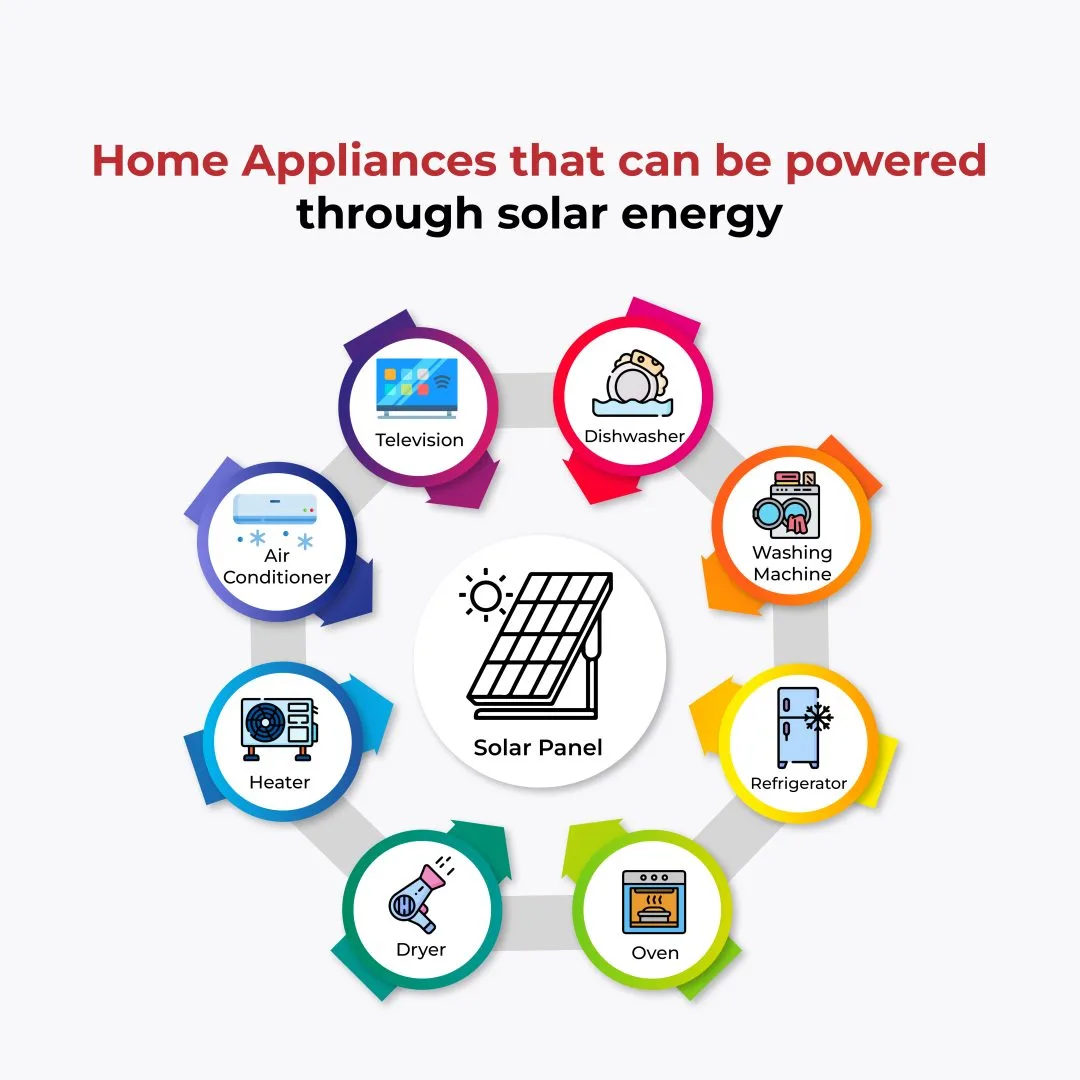
Solar panels convert sunlight into electricity, providing a renewable energy source for your household. The amount of energy produced depends on several factors such as the size of the system, the number of sunlight hours, and the efficiency of the panels. Understanding how much energy your home consumes is key to determining how many appliances and bedrooms your solar system can power.
Energy Consumption Per Bedroom: Key Factors
Bedroom count is only a rough guide to how much electricity a home uses: what really matters is how many people live there and their habits. Ofgem’s typical figure for a medium-use UK household is around 2,700 kWh of electricity a year, but homes with electric heating, a heat pump or an electric car can use considerably more. Your annual electricity bills show your actual usage, which is the best starting point.
For example:
- One-bedroom homes may suit smaller systems, from around 1.5kW to 2kW.
- Three to four-bedroom homes often suit systems of around 4kW to 6kW, depending on usage and roof space.
Appliances and Solar Capacity
Large Appliances
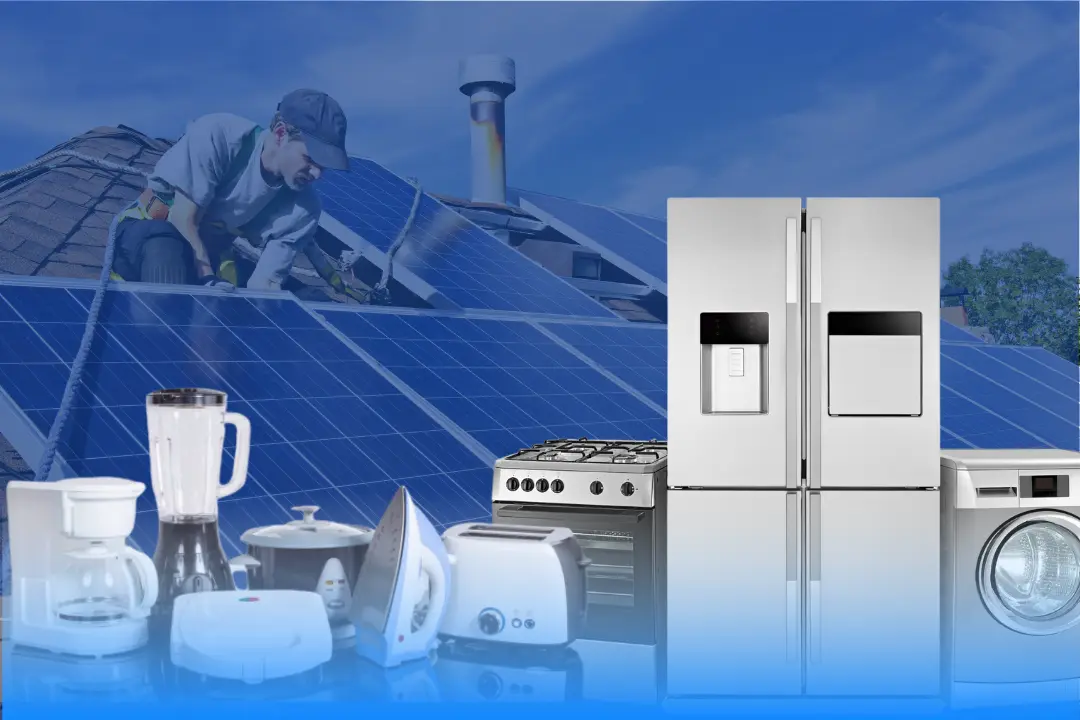
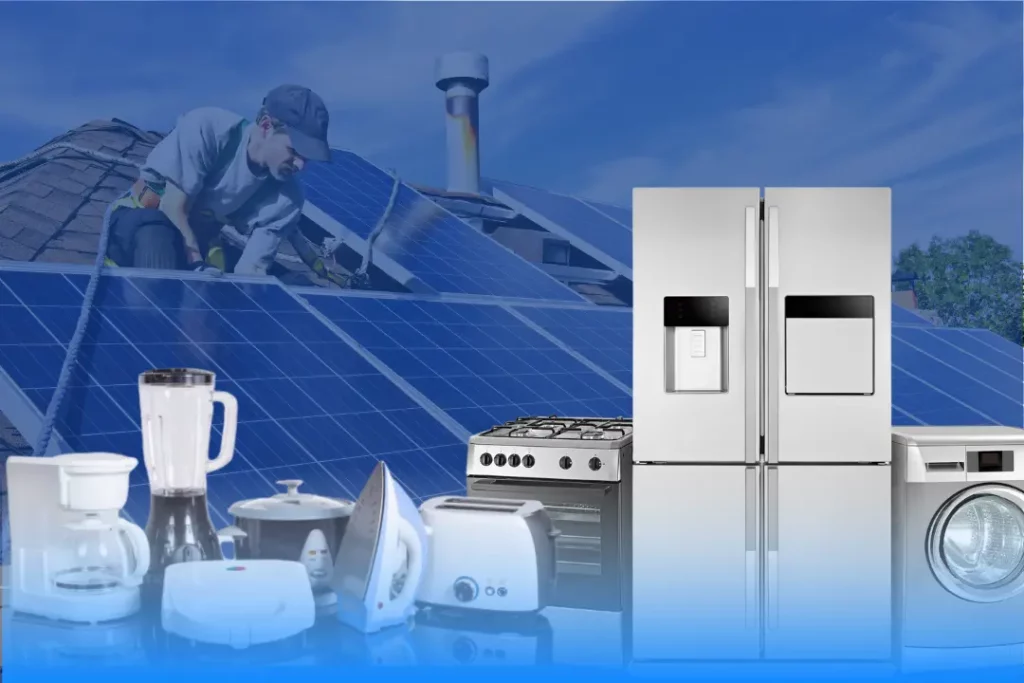
Large appliances in the home typically account for a significant portion of electricity consumption. Examples of these appliances include:
| Appliance | Approx. Annual Use (kWh) |
|---|---|
| Refrigerators | 200-600 kWh |
| Washing Machines | 200-400 kWh |
| Ovens | 1,000 kWh |
These figures are rough, illustrative ranges: actual use varies widely by model, age and how often you use each appliance. A 4kW system in England or Wales might typically generate somewhere around 3,000 to 3,800 kWh a year, depending on location, orientation and shading. Remember that solar generates during daylight, so how much of your appliance use it covers depends on when you run them, and a battery can help.
WHAT IS YOUR AVERAGE MONTHLY ELECTRICITY BILL?
Small Appliances
Smaller appliances, such as televisions, laptops, and microwaves, consume less energy but are often used more frequently. For instance:
| Appliance | Approx. Annual Use (kWh) |
|---|---|
| Television | 150-400 kWh |
| Laptops | 30-70 kWh |
| Microwave | 100-150 kWh |
Again, these are approximate ranges that vary by model and usage. Given their relatively low consumption, smaller appliances are easier to cover with solar power, even in homes with higher energy demands.
Heating and Cooling Systems
Heating and cooling systems, particularly electric heaters and air conditioning units, have a substantial impact on your energy consumption:
- Electric heating systems: Can add a large amount to your annual usage, depending on the size and type of system and how well insulated your home is. Most heating demand falls in winter, when solar output is lowest.
- Air conditioning: Less common in UK homes, but where used it tends to run in summer, when solar output is highest.
Determining the Right Number of Solar Panels

The number of solar panels required to power your home depends on factors such as:
- Energy consumption: Total kWh used by your household.
- Panel efficiency: More efficient panels generate more power per square metre.
- Sunlight availability: The average number of sunlight hours in your location.
Modern panels are typically rated at around 400 to 450 watts or more. As a rough example, a household using around 4,000 kWh a year might consider a system of around 4kW (roughly 9 to 10 modern panels), although your roof space, shading and whether you add a battery all affect the right size. An MCS survey and performance estimate will give a figure for your home.
Solar Power for Multi-Bedroom Homes
Two to Three-Bedroom Homes
For homes with two to three bedrooms, the energy consumption can vary widely based on appliance usage and lifestyle. A system of around 3kW to 5kW often suits a household of this size, although the right size depends on your usage, roof space and whether you add a battery.
Four or More Bedrooms
Larger homes with four or more bedrooms require significantly more energy, particularly if occupants are using multiple high-energy appliances. Homes of this size may benefit from a larger system, for example 5kW to 8kW or more, especially with a heat pump or electric car, if the roof has space. Solar alone rarely covers all of a home’s energy use year-round, particularly in winter.
Factors Impacting Solar Panel Performance
Roof Size and Orientation
The size and orientation of your roof play a crucial role in the effectiveness of your solar panels. South-facing roofs typically generate the most energy in the UK, while roofs facing east or west typically produce somewhat less, though they can still work well. Roof size also limits the number of panels you can install, so homes with smaller roofs may need to opt for higher efficiency panels.
Local Climate
Solar panel output is also affected by local weather conditions. Areas with frequent cloud cover or fewer sunlight hours may experience reduced performance, though solar systems still function in cloudy weather. Energy storage options such as solar batteries can help offset these variations by storing excess power for later use.
Ready to Go Solar?
Get a free, no-obligation quote from LODEAL by REST UK
- ✅ MCS-certified installer
- ✅ 10,000+ installations
- ✅ Systems sized around your home
Or call 03305 202053
Pro Tips for Maximising Solar Efficiency

- Use Appliances During Peak Sunlight Hours: Running high-energy appliances like washing machines and dishwashers during the daytime, when your panels are producing the most electricity, can help maximise your solar power usage.

- Install a Solar Battery System: Adding a solar battery allows you to store excess energy generated during sunny days, which can then be used at night or during less sunny periods.

- Regular Maintenance: Solar panels need little maintenance, but keeping an eye on your monitoring app and dealing with heavy dirt, debris or new shading helps keep your system performing well.
Not sure what size system your home needs? LODEAL by REST UK is an MCS-certified installer with more than 10,000 installations across England and Wales, and we size every system around your actual usage and roof. Get a free, no-obligation quote or call 03305 202053.