Solar Panels 2.0: The Advanced Tech Shaping UK Solar in 2026

Table of Contents
- 1. Bifacial and N-Type Panels: More Output From Each Panel
- 2. Solar Panel Coatings: Protect and Improve Performance
- 3. Smart Solar Systems: Smarter Energy Management
- 4. Solar Tiles: Integrating Solar Into the Roof
- 5. Energy Storage and Solar Batteries: Using More of Your Own Power
- 6. The Future of Solar in the UK: What’s Next?
Bifacial and N-Type Panels: More Output From Each Panel
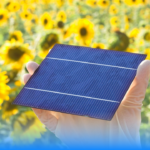
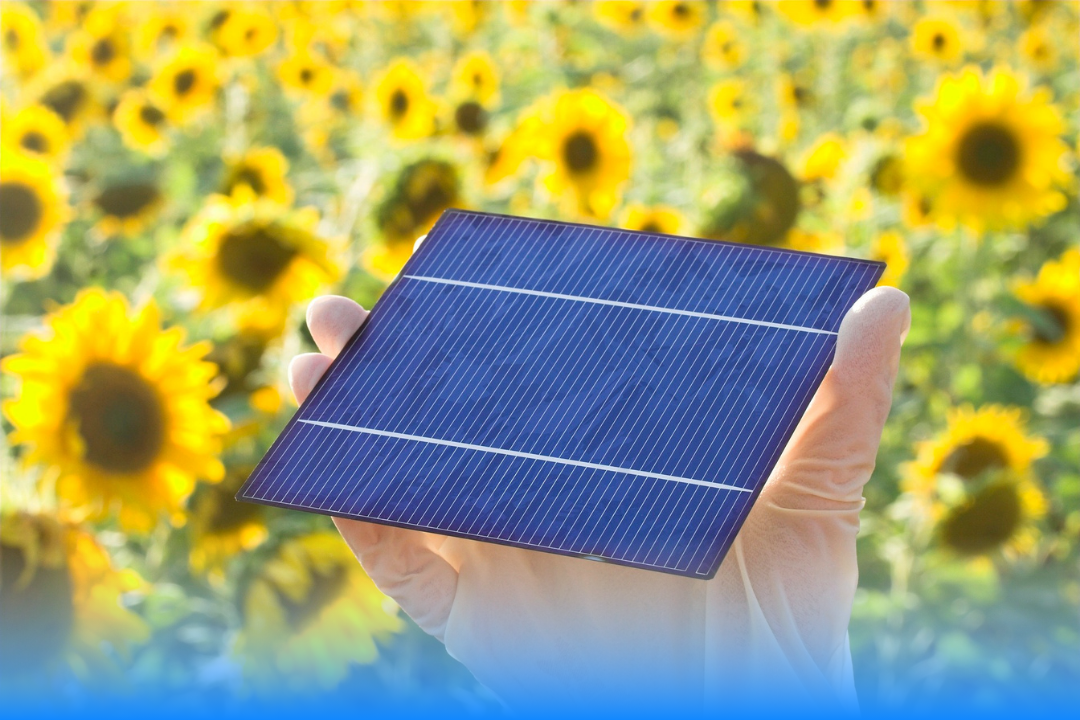
Unlike traditional solar panels, bifacial panels can absorb light from both sides, picking up light reflected from the surface behind or below them. The extra gain depends heavily on the installation: it can be worthwhile on ground mounts or flat roofs with a reflective surface, but on a typical pitched UK roof, where panels sit close to the tiles, the rear side receives little light. Alongside this, many modern panels use N-type cell technology such as TOPCon, which tends to perform well in low light and degrade more slowly over time. We install Eurener all-black N-type TOPCon panels, which come with warranties of as long as 30 years.| Bifacial vs. Traditional Panels | Bifacial | Traditional |
|---|---|---|
| Energy Output | Can be higher, depending on mounting and surface reflectivity | Standard |
| Cost | Usually more expensive | Usually cheaper |
| Best Suited To | Ground mounts and raised or flat-roof installations | Most pitched UK roofs |
Solar Panel Coatings: Protect and Improve Performance
Anti-reflective glass coatings are now standard on quality panels, helping more light reach the cells. Some manufacturers also offer hydrophobic or “self-cleaning” coatings that help rain wash away dirt. These can help panels keep performing well between cleans, although no coating removes the need for occasional checks.Smart Solar Systems: Smarter Energy Management
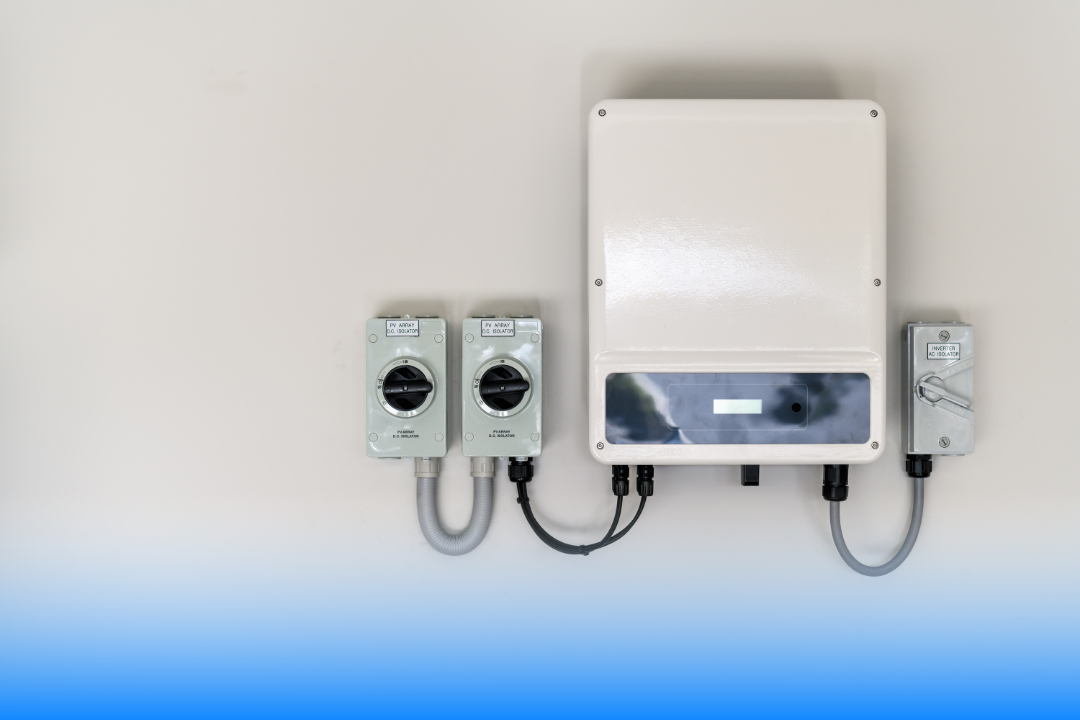
Modern inverters, batteries and apps can do far more than simply report how much electricity your panels make. Many systems can use weather forecasts and time-of-use tariffs to decide when to charge the battery, when to run the home from stored power and when to top up from the grid at cheaper rates. In the UK, where the weather can be unpredictable, this kind of smart control can help you use more of your own solar energy.Solar Tiles: Integrating Solar Into the Roof
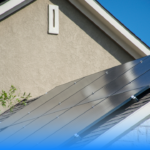
Solar tiles and in-roof systems are an alternative to panels mounted on top of the roof. They sit flush with or replace part of the roof covering, giving a sleeker look. They are most often considered for new builds or when a roof is being replaced anyway, and they usually cost more per unit of output than standard panels.| Solar Tiles vs. Traditional Panels | Solar Tiles / In-Roof | Traditional Panels |
|---|---|---|
| Cost | Higher | Lower |
| Aesthetics | Sleeker | More visible (all-black panels help) |
| Durability | Depends on product | High |
Energy Storage and Solar Batteries: Using More of Your Own Power
Battery storage lets you keep surplus solar energy generated during the day and use it in the evening or overnight, rather than exporting it all to the grid. Batteries can also charge from the grid on cheaper off-peak tariffs. As a Duracell Energy Platinum Partner, Tesla Certified Installer and Fox ESS Premier Partner, we install Duracell, Tesla Powerwall, Fox ESS and Growatt batteries, and the right choice depends on your home’s usage and budget. Qualifying home solar and battery installations are currently zero-rated for VAT, with the reduced 5% rate scheduled to apply from 1 April 2027. Learn more on our battery storage page.The Future of Solar in the UK: What’s Next?
The future of solar in the UK is looking bright (pun intended). Panel efficiency continues to edge up, batteries are becoming more capable, and smarter tariffs and controls are helping households get more value from the energy they generate. Whatever comes next, the fundamentals stay the same: a well-designed system, quality components and a properly certified installer.Curious which solar technology suits your home? LODEAL by REST UK is an MCS-certified installer with more than 10,000 installations across England and Wales. Get a free, no-obligation quote or call 03305 202053.
FAQs
It depends on where they are installed. Bifacial panels can produce extra energy on ground mounts or raised flat-roof systems with a reflective surface below, but the gain on a typical pitched UK roof is usually small. Your installer can advise whether the extra cost is justified for your property.
Yes, it can help. Smart inverters, batteries and apps can use forecasts and time-of-use tariffs to decide when to store, use or export energy, which can help you get more value from your system in the UK’s changeable weather.
Yes, they tend to cost more for the same output, but they offer a more seamless look. They are often considered for new builds or when a roof is being replaced.
It isn’t essential, but battery storage lets you keep excess solar energy and use it in the evening or overnight, so you rely less on the grid. Whether it makes financial sense depends on your usage, your tariff and the size of your system.
Choose an MCS-certified installer, check exactly which panels, inverter and battery are included, and make sure the performance estimate is realistic for your roof. It is sensible to get more than one quote before you decide. LODEAL by REST UK offers free, no-obligation quotes: request yours here.