Does Shading Reduce Solar Panel Savings? The Truth for UK Homeowners

Table of Contents
- What is Solar Shading?
- How Shading Impacts Solar Panel Efficiency
- Types of Solar Shading & Solutions
- How to Maximise Energy Savings Despite Shading
- FAQs
What is Solar Shading?
Solar shading occurs when something blocks sunlight from reaching your solar panels. This could be trees, nearby buildings, chimneys, or even debris like leaves or snow. Solar panels rely on direct sunlight to generate electricity, so any obstructions can reduce their efficiency. Depending on how the system is configured, even partial shading on a single panel can reduce the output of other panels too.How Shading Impacts Solar Panel Efficiency
The extent to which shading affects your solar panel performance depends on various factors, including the time of day, season, and the type of shading (temporary or permanent). The figures below are rough, illustrative ranges only. The real effect on your roof depends on the system design, and a proper survey and shading assessment will give a far better estimate.| Shading Level | Impact on Energy Production | Possible Solutions |
|---|---|---|
| No Shading | 100% energy production | No action needed |
| Minimal Shading (Morning or Evening) | Often a small reduction (roughly 5-10%) | Monitor for seasonal changes |
| Partial Shading (Trees, Buildings) | Can be a noticeable reduction (roughly 10-30%) | Trim trees, use optimisers/microinverters |
| Full Shading (Permanent Blockage) | Can be a large reduction (50% or more) | Consider relocating panels or reconfiguring the system |
Types of Solar Shading & Solutions
Not all shading is the same, and understanding the type of shading your panels experience can help you find the best solution to minimise energy loss. Below are common shading issues UK homeowners may face and practical ways to address them.1. Seasonal Shading
Seasonal shading occurs due to changes in the sun’s position throughout the year. During winter months, the sun is lower in the sky, which can cast longer shadows on your panels. While you can’t change the position of the sun, you can monitor how much shading your panels receive throughout the year and make adjustments accordingly.WHAT IS YOUR AVERAGE MONTHLY ELECTRICITY BILL? GET A FREE QUOTE
2. Obstructions from Trees
Trees are one of the most common causes of shading. Over time, trees grow taller, and their branches may cast shadows over your panels. Regularly trimming trees around your property can prevent this, but it’s important to balance maintaining tree health with optimising solar performance.| Solution | Effectiveness | Cost |
|---|---|---|
| Tree Trimming | Moderate | Low (typically £100-£500, depending on tree size) |
| Relocating Panels | High | High (£1,000+) |
| Solar Optimisers | High | Moderate (varies by system size) |
3. Structural Shading (Buildings, Chimneys)
Structures like nearby buildings, chimneys, or even your roof’s architecture can create permanent shading. This type of shading is harder to resolve, but there are several solutions:- Relocate Panels: If possible, panels can be installed on a different part of your roof or property where shading is less of an issue.
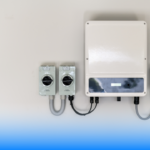
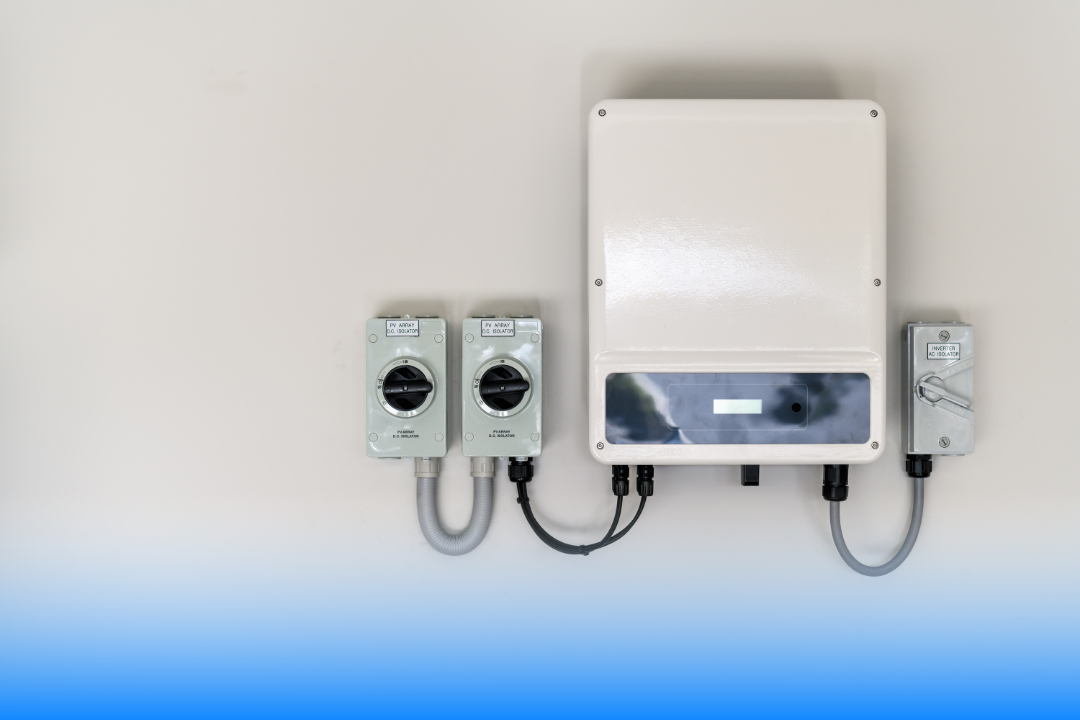
- Install Microinverters: These devices allow each panel to operate independently, so shading on one panel won’t affect the others.
- Use Solar Optimisers: Like microinverters, optimisers are attached to each panel to maximise efficiency under shaded conditions.
How to Maximise Energy Savings Despite Shading
Even if shading can’t be avoided entirely, there are steps you can take to maximise your energy savings. Even with some shading, a well-designed system can often still generate a useful amount of electricity. Here’s how you can optimise your system:| Technique | Benefit | Implementation Cost |
|---|---|---|
| Microinverters | Allows each panel to operate independently | Moderate (varies by product and system size) |
| Solar Optimisers | Maximises performance under shading conditions | Low to moderate (varies by system size) |
| Repositioning Panels | Reduces the impact of permanent shading | High (£1,000+) |
| Regular Maintenance | Removes dirt and debris that may cause shading | Low (varies by access and roof type) |
Final Thoughts: Is Solar Shading Killing Your Energy Savings?
While solar shading can certainly affect the performance of your panels, it’s not the end of the world. With the right approach, such as using solar optimisers, trimming nearby trees or placing panels on the least shaded part of the roof, you can often reduce the impact and still make worthwhile savings. Remember, every solar installation is different, and what works for one homeowner might not work for another. That’s why a proper site survey and shading assessment matters, and why it’s worth asking any installer how they have allowed for shading in their performance estimate.Worried about shading on your roof? LODEAL by REST UK is an MCS-certified installer with more than 10,000 installations across England and Wales. Our surveyors assess shading as part of every design. Get a free, no-obligation quote or call 03305 202053.
FAQs
It depends on the type and extent of shading and how your system is designed. As a rough guide, light morning or evening shading may cause a small reduction, while heavy, permanent shading can cut output from the affected panels by half or more. A site survey gives a proper estimate for your roof.
Often, yes. Many partly shaded roofs can still be worthwhile, especially with microinverters or solar optimisers to reduce the impact of shading. It depends on how much of the roof is shaded and when, which a survey will establish.
Solar optimisers are devices installed on each solar panel that help manage energy output. They work by ensuring that shading on one panel doesn’t reduce the performance of the entire system.
Yes, relocating solar panels is an option, though it can be costly. In some cases, moving panels to a less shaded area of your roof or property can noticeably increase energy production. It’s usually better to plan around shading at the design stage.
The cost varies. Simple solutions like tree trimming are relatively inexpensive (typically £100-£500), while more complex fixes like relocating panels can cost £1,000 or more. Your installer can advise on the best option for your property.