Why Solar Inverters are the Key to Powering Your UK Home Efficiently
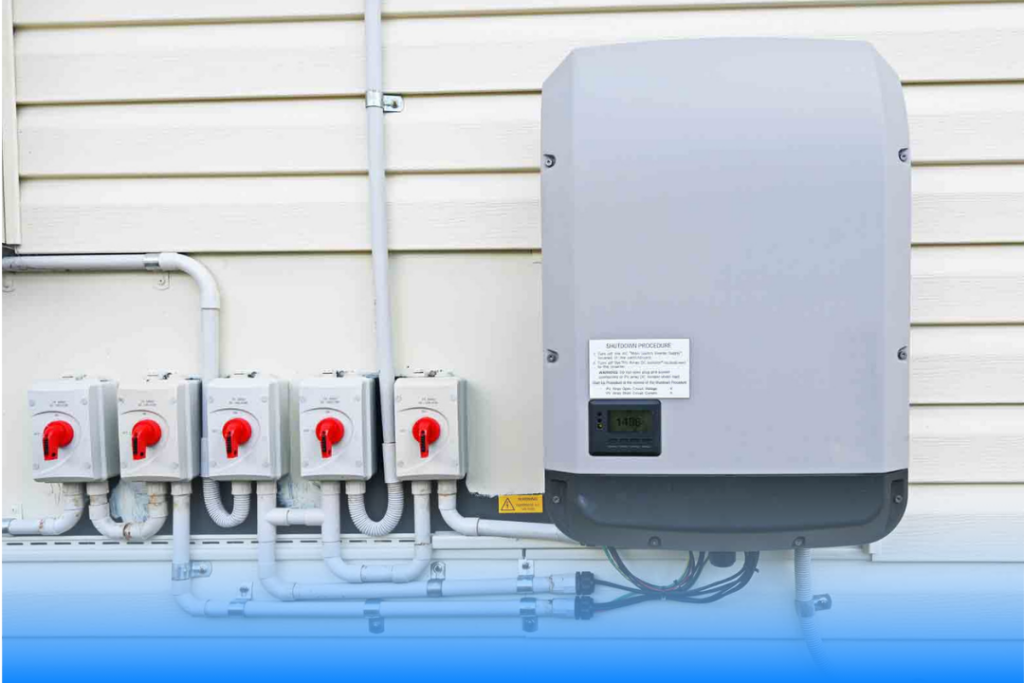
Table of Contents
- What is a Solar Inverter?
- How Solar Inverters Work
- Types of Solar Inverters
- Why Solar Inverters are Essential for Efficiency
- FAQs
What is a Solar Inverter?
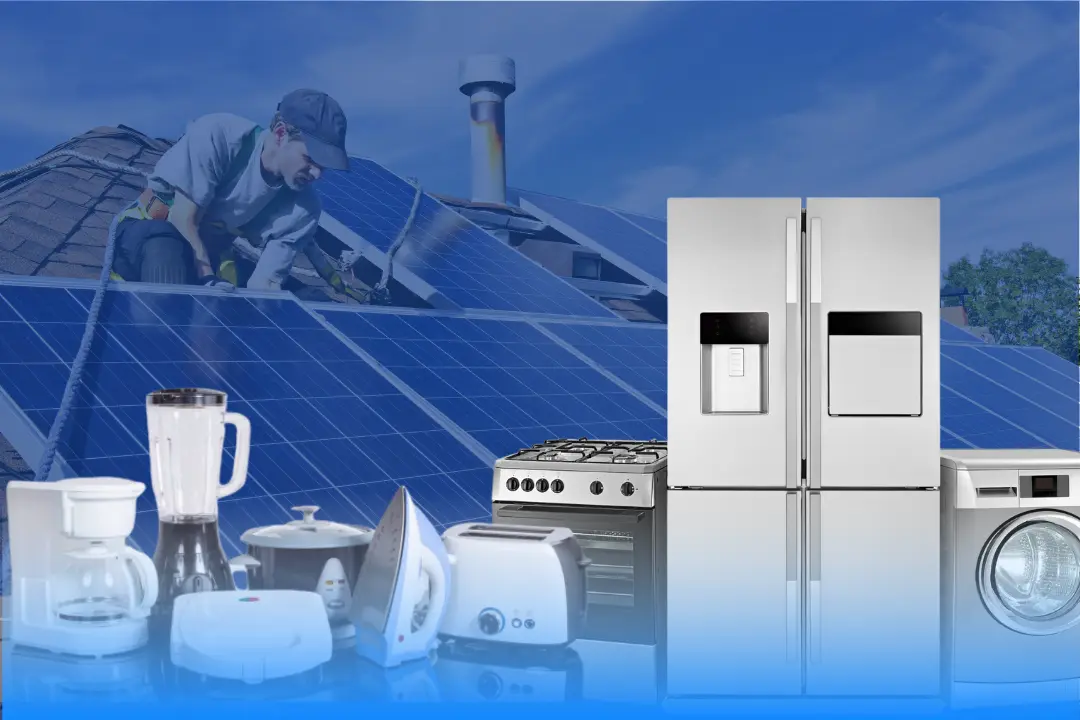
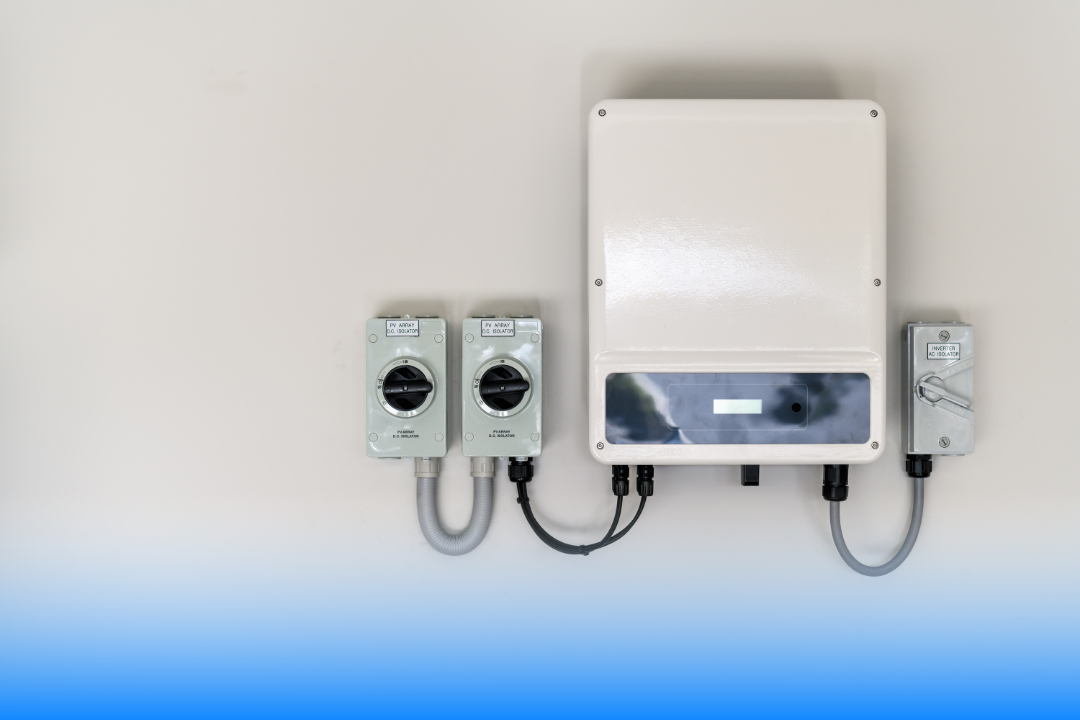
A solar inverter is a device that converts the DC electricity produced by your solar panels into AC electricity, which is used to power your home. In the UK, almost all household appliances, from lights to televisions, run on AC power, making inverters an essential component of any solar system.How Solar Inverters Work
Solar inverters take the variable DC output from solar panels and transform it into a stable AC voltage, ready to power your home or be fed back into the grid. Without this conversion, the energy generated by your panels would be unusable, limiting the effectiveness of your solar investment.Types of Solar Inverters
Not all solar inverters are created equal. Depending on your home’s solar setup, energy needs, and budget, you may choose from several types of inverters. Each type has unique benefits and drawbacks, making it essential to understand the options available.1. String Inverters
String inverters are the most common type used in residential solar systems. They work by connecting a “string” of solar panels, with each panel contributing its DC output to the same inverter. However, the downside is that shading on one panel can reduce the overall efficiency of the entire string.| Advantages | Disadvantages |
|---|---|
| Cost-effective | Less efficient with shading |
| Simple to install | Reduced performance if a single panel is shaded |
2. Microinverters
Microinverters work by attaching an individual inverter to each solar panel, allowing them to function independently. This setup increases efficiency, especially in partially shaded environments, as the performance of one panel won’t affect the others.| Advantages | Disadvantages |
|---|---|
| High efficiency, even with shading | Higher upfront cost |
| Optimises individual panel performance | More complex installation |
Ready to Go Solar?
Get a free, no-obligation quote from LODEAL by REST UK
- ✅ MCS certified, 10,000+ installations
- ✅ Panels, inverters and batteries designed and fitted by our own team
- ✅ Covering England and Wales
Or call 03305 202053
3. Hybrid Inverters
Hybrid inverters are a versatile option that combines the functions of a traditional inverter with the ability to manage energy storage. If you’re planning to install a battery storage system, a hybrid inverter allows you to manage both your solar panels and battery storage from a single device.| Advantages | Disadvantages |
|---|---|
| Supports battery storage | More expensive than standard inverters |
| Future-proof for energy storage | Complex installation |
Why Solar Inverters are Essential for Efficiency
Solar inverters don’t just convert DC to AC power. They also play a vital role in ensuring your system operates at peak efficiency. Advanced inverters can track the performance of individual panels and adjust output for optimal energy production. They also provide critical data on your system’s performance, allowing you to monitor energy generation and diagnose potential issues.| Feature | Benefit | Cost Impact |
|---|---|---|
| Performance Tracking | Allows real-time monitoring and diagnostics | Moderate (often included, or a few hundred pounds extra) |
| Shading Mitigation | Improves output even with partial shading | Low (In-built with microinverters) |
| Battery Integration | Future-proof for energy storage | Higher (hybrid inverters often £1,000+) |
Final Thoughts: Maximise Your Solar Efficiency with the Right Inverter
Solar inverters play an indispensable role in ensuring your home’s solar power system runs smoothly and efficiently. Whether you choose a string inverter, microinverter, or hybrid inverter, the right choice will depend on your home’s energy needs, budget, and future plans (such as battery storage). When you get a quote, check which inverter is included, its warranty, and whether it can support a battery later. If you’d like to add storage now or in the future, take a look at our battery storage options. Planning solar for your home? LODEAL by REST UK is an MCS-certified installer with more than 10,000 installations across England and Wales, and we’ll recommend the right inverter for your roof and plans. Get a free, no-obligation quote or call 03305 202053.FAQs
If your solar inverter stops working, your panels will no longer be able to convert DC to AC electricity, meaning your home won’t benefit from solar power.
It’s essential to regularly monitor your inverter to ensure it’s functioning correctly and contact a technician if there’s a problem.
Most solar inverters have a lifespan of 10-15 years. After this period, you may need to replace the inverter to ensure your system continues to operate efficiently.
Yes. If you plan to add a battery later, you can choose a hybrid inverter from the outset, upgrade to a hybrid model later, or add an AC-coupled battery that works alongside your existing inverter. Since 1 February 2024, batteries retrofitted to existing solar systems also qualify for zero-rate VAT.
It varies by type and size. As an indicative guide, string inverters often cost roughly £500 to £1,500, microinverter systems around £800 to £2,500, and hybrid inverters, which support battery storage, from about £1,000 upwards. Installed prices depend on your system, and your final cost depends on a survey.
Usually, yes. A good-quality inverter helps your solar system run efficiently, including in less-than-ideal conditions such as partial shading or changing sunlight.
Inverters with performance monitoring can also help you spot problems early, which can save you money over time.