5 Common Mistakes to Avoid When Buying Solar Panels
Investing in solar panels is a significant decision that can bring real benefits for both your energy bills and the environment. It’s worth getting the process right so you get the most out of your investment. Here, our team at LODEAL by REST UK outlines five common mistakes to avoid when buying solar panels in 2026.
1. Underestimating Your Energy Needs
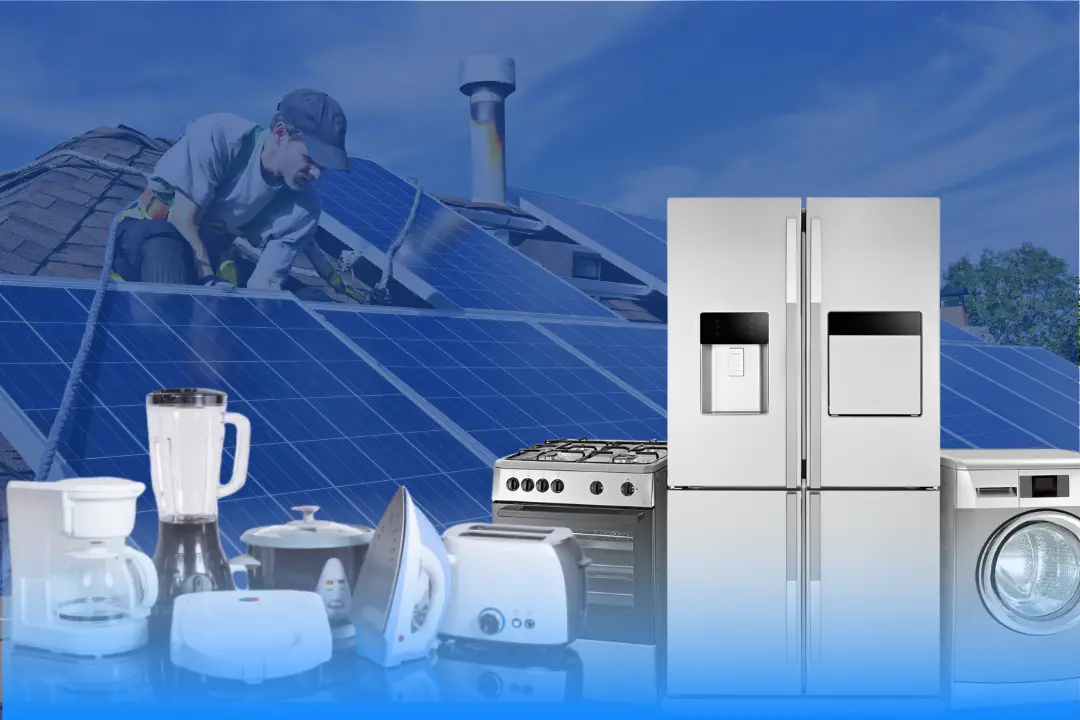
One of the most frequent errors homeowners make is underestimating their energy consumption. This can lead to the purchase of a solar panel system that is too small to meet their needs. It’s essential to conduct a thorough assessment of your household’s energy usage before making a decision. Here’s how to avoid this pitfall:
- Analyse your energy bills: Review at least a year’s worth of electricity bills to understand your average consumption.
- Consider future needs: Take into account any anticipated changes, such as an increase in household size, an electric vehicle or a heat pump.
- Get a proper survey: An MCS-certified installer should look at your usage, roof and shading to estimate the system size you need, and whether a battery would help you use more of your own solar electricity.
2. Overlooking Solar Panel Efficiency
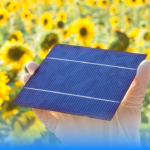
Solar panel efficiency is a critical factor that determines how much energy your panels can generate. Some buyers focus solely on cost and overlook the efficiency ratings of the panels they are buying. Higher efficiency panels may cost more, but they can generate more electricity in a smaller space, which can be particularly beneficial if you have limited roof space. To make an informed decision:
- Check efficiency ratings: Look at the efficiency percentage and the panel technology (for example, N-type TOPCon panels).
- Check warranty terms: Look at both the product warranty and the performance warranty, and how long each lasts.
- Evaluate long-term savings: Consider the overall energy savings that higher efficiency panels can offer over their lifespan.
3. Ignoring Available Savings and Incentives
Some solar buyers overlook the financial support available to them in the UK. Qualifying home solar and battery installations are currently zero-rated for VAT (scheduled to move to the reduced 5% rate on 1 April 2027), and under the Smart Export Guarantee (SEG) electricity suppliers pay you for surplus electricity you export to the grid. Here’s what you should do:
- Check the current VAT position: A booking alone doesn’t fix the VAT rate, so confirm with your installer how it applies to your installation date.
- Make sure you can claim SEG: Suppliers normally require an MCS certificate, so use an MCS-certified installer, and shop around for an export tariff.
- Stay updated: Schemes and rates can change, so check the latest position on GOV.UK and with your energy supplier.
4. Choosing the Wrong Solar Installer
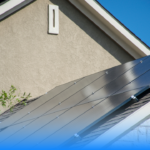
The installation of your solar panel system is just as important as the panels themselves. Choosing the wrong installer can lead to a host of problems, from subpar performance to safety hazards. Here are some tips to avoid this mistake:
- Research thoroughly: Look for installers with a proven track record and positive customer reviews.
- Verify credentials: Check the installer is MCS certified and a member of a consumer code such as RECC, and ask whether deposits are protected (for example through HIES).
- Get more than one quote: It’s sensible to get quotes from more than one installer so you can weigh up the equipment, warranties and price.
- Ask for references: A reputable installer should be able to provide references from satisfied customers.
5. Neglecting Maintenance and Monitoring
Solar panels require minimal maintenance, but neglecting basic upkeep can lead to decreased performance and a shorter lifespan. Regular maintenance and monitoring are essential to ensure your system operates at peak efficiency. Here’s how to stay on top of it:
- Schedule regular inspections: Have a professional inspect your system periodically to check for any issues.
- Clean your panels: Dust, debris, and bird droppings can reduce the efficiency of your panels. In the UK, rain usually keeps panels fairly clean, but if output drops noticeably, have them cleaned safely by a professional.
- Monitor your system: Use monitoring software to track your system’s performance and identify any potential problems early on.
By avoiding these common mistakes, you can maximise the benefits of your solar panel investment and ensure a smooth transition to renewable energy. Choosing the right system, using the savings available to you, picking a reliable installer and looking after your panels can give you long-term energy savings and a smaller carbon footprint.
Ready to get it right first time? LODEAL by REST UK designs and installs solar panels and batteries itself, with more than 10,000 installations across England and Wales. Get a free, no-obligation quote or call 03305 202053.